How to Run a Golf Tournament: Step-by-Step Guide

Running a golf tournament doesn't have to be complicated. Whether you're organizing a charity event, a club championship, or a friendly Ryder Cup with your buddies, this guide walks you through everything from choosing a format to announcing the results.
Step 1: Choose Your Tournament Format
The format depends on your group size, skill levels, and how competitive you want things to be.
Scramble (Best Ball)
Everyone hits, the team picks the best shot, and everyone plays from there. Scrambles are the most popular format for charity events and corporate outings because every skill level can contribute. A beginner might drain a long putt while a low handicapper keeps the team in position off the tee.
Ryder Cup / Match Play
Two teams compete head-to-head across multiple sessions of match play. You can run foursomes (alternate shot), four-ball (best ball of two), and singles matches. This format creates the most team camaraderie and competitive energy. It works best when you have two groups who want to compete against each other.
Stroke Play
The traditional format — lowest total score wins. Use net scoring (with handicaps) to level the playing field. This is the fairest format for individual competition but can feel isolating compared to team formats.
Stableford
Points-based scoring that rewards good holes without punishing bad ones. Great for leagues and recurring tournaments where you want to keep everyone engaged through 18 holes.
Step 2: Set Up Teams and Pairings
For team events, how you build teams matters as much as the format:
- Snake Draft — Captains alternate picking players. The team that picks first in round 1 picks last in round 2 (snake order). This produces the most balanced teams.
- Random Draw — Names out of a hat. Simple and fair, though teams may be unbalanced.
- Captain's Pick — Captains select their entire team. Best for competitive events where captains want strategic control.
- Handicap Balanced — Sort players by handicap and distribute evenly. Guarantees balanced teams by skill level.
Step 3: Communicate the Details
Every participant needs to know:
- Date, time, and course
- Format and rules (including any local rules or modifications)
- Team assignments and pairings
- Entry fee and prizes (if applicable)
- How scoring will work
Send this information at least 2 weeks before the event. A follow-up reminder 2-3 days before helps ensure full attendance.
Step 4: Handle Scoring
Scoring is where most tournament organizers struggle. Paper scorecards require someone to manually collect and tabulate results — a process that's slow, error-prone, and delays the results announcement.
Digital scoring solves this completely. When players enter scores on their phones as they play, results are calculated instantly. Leaderboards update in real time, so spectators and other groups can follow the action.
Step 5: Announce Results
The results announcement is the highlight of any tournament. Have the final standings ready immediately after the last group finishes. For Ryder Cup events, the dramatic reveal of match results builds excitement. For stroke play, show the full leaderboard with net and gross scores.
Common Tournament Mistakes to Avoid
- Not using handicaps — Without handicaps, the same low-handicap players win every time. Net scoring keeps it competitive for everyone.
- Overcomplicated rules — Keep it simple. One format, clear rules, no ambiguity.
- No pace of play plan — Set expectations for pace. For scrambles, 4.5 hours is typical. Have a marshal if possible.
- Delayed results — Nothing kills the energy of a tournament faster than waiting 45 minutes for someone to add up scores on paper.
Run Your Tournament with Buddies on the Green
Buddies on the Green handles the entire tournament workflow: team creation with snake draft or captain's pick, live scoring from every group, automatic handicap adjustments, real-time leaderboards, and instant results. Whether you're running a Ryder Cup for 8 friends or a scramble for 40 players, the app makes you look like a professional tournament director.
Recommended Products
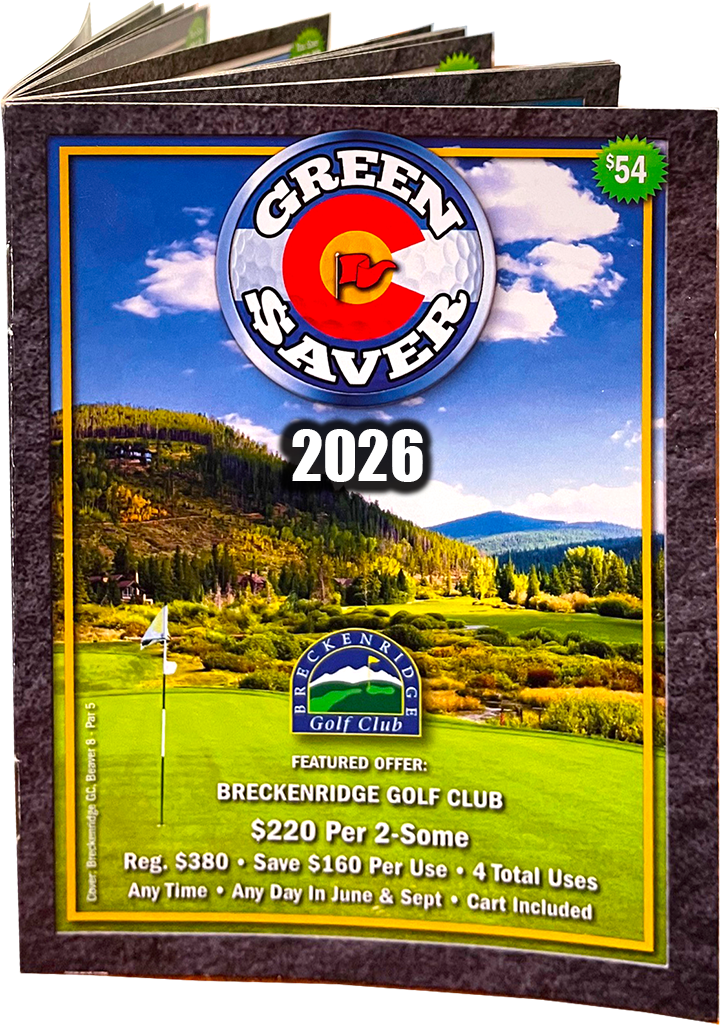
2026 Green Saver Book
2026 Courses & Offers will be announced in late February 2026. At that time, the price will increase to $54. Buy now and save $10! If you’re purchasing as a holiday gift, you can print a gift card at the link below so you have something tangible to give while waiting for the books to mail in early March.

Titleist Hybrid 14 Golf Bag
STAND BAG MEETS CART BAG Hybrid 14 The NEW Hybrid 14 Stand Bag is the perfect crossover between a traditional stand bag and cart bag, delivering cart-friendly, premium comfort and upgraded organization. • Cart Compatible -Push or ride with ease and efficiency • Improved Storage - Built for function • Enhanced Pocket Accessibility - Designed for unparalleled efficiency